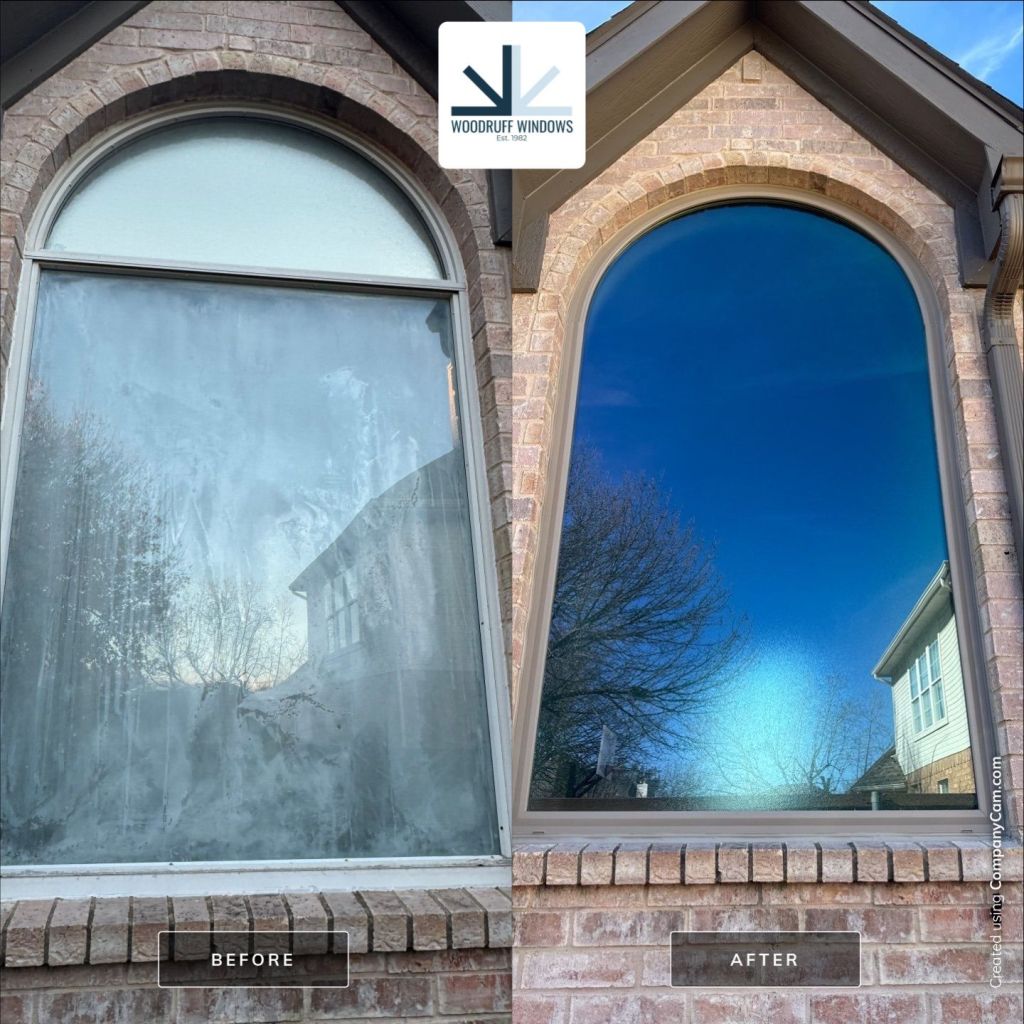
“We just deal with it.”
I hear this phrase in almost every consultation. Usually said with a resigned shrug, like discomfort in your own home is just part of life or something.
But here’s what I’ve learned after helping hundreds of families transform their spaces: when your home isn’t serving you, it’s not just about the house. It’s about how you approach everything else in life because of it. True comfort in your space is a game-changer for your whole life. An interesting ripple effect that most of us are completely unaware of until it shifts and it’s different.
Sign #1: You Avoid Certain Rooms
What it looks like: That sunroom you never use in summer. The den where you’re always too cold. The home office where you can’t focus because of outside noise and/or excessive heat.
What you tell yourself: “It’s an old house.” “That’s just how it is.” “We don’t really need that space anyway.”
What’s really happening: You’re adapting your life around dysfunction instead of addressing it.
I see this constantly. Families who’ve slowly stopped using rooms they once loved. They move their morning coffee routine three times trying to find comfort. They relocate their reading chair, close off spaces, adjust their whole lives around problems that have solutions.
The life lesson: When we accept dysfunction in our physical spaces, we start accepting it everywhere else too. We stop fighting for what we want and start managing around what we don’t.
Sign #2: You’re Always Adjusting the Thermostat
What it looks like: Cranking the AC in summer, cranking the heat in winter, but never quite feeling comfortable. Different rooms at different temperatures. Hot spots and cold spots you’ve just learned to live with.
What you tell yourself: “Energy bills are just expensive these days.” “Old houses are drafty.” “That’s normal.”
What’s really happening: Your home’s envelope is broken, and you’re fighting a losing battle.
Here’s what most people don’t realize: when your windows are failing, your HVAC system becomes like a person running on a treadmill that keeps speeding up. It’s working harder and harder just to maintain the same result.
The life lesson: When systems are broken, working harder isn’t the solution—fixing the system is. Whether it’s your house, your business, or your habits, addressing root causes beats managing symptoms every time.
Sign #3: You Can’t See Clearly Anymore
What it looks like: Fogged glass you’ve gotten used to, almost to the point of looking like that fake snow we decorate glass with. Windows you can’t open. Views you no longer enjoy because the glass is cloudy, streaky, or failing.
What you tell yourself: “At least we can still see outside.” “It’s not that bad.” “We’ll deal with it eventually.” “The blinds cover it.”
What’s really happening: You’re losing one of the fundamental benefits of having windows—connecting with the outside world.
Windows aren’t just about insulation and energy efficiency. They’re about light, views, fresh air, and feeling connected to what’s beyond your walls. When that’s compromised, you lose more than you realize.
The life lesson: Clarity matters. When we accept poor visibility in our physical spaces, we often accept poor clarity in our thinking, our goals, and our relationships. Clear vision requires clear windows—literally and figuratively.
Sign #4: Outside Noise Feels Like Inside Noise
What it looks like: You hear every car, every neighbor conversation, every lawn mower like it’s happening in your living room. You’ve gotten so used to it that you don’t even notice it anymore—until you have guests who comment on it.
What you tell yourself: “We live in a busy neighborhood.” “You get used to it.” “It’s not really that loud.”
What’s really happening: Your sanctuary isn’t actually providing sanctuary.
Your home should be your refuge. When outside chaos easily penetrates your space, you never get to fully relax. You’re constantly in low-level alert mode, even when you don’t realize it.
The life lesson: Boundaries matter. When we don’t protect our physical space from outside interference, we often struggle to protect our mental and emotional space too. Peace requires intentional barriers.
Sign #5: You’ve Stopped Dreaming About Your Space
What it looks like: You no longer imagine how rooms could be better. You’ve stopped seeing potential. You plan around limitations instead of possibilities.
What you tell yourself: “It’s fine.” “We don’t need much.” “Maybe someday.”
What’s really happening: You’ve shifted from possibility thinking to scarcity thinking.
This is the one that breaks my heart most. When I walk into a home and see someone who’s given up on their space feeling better, I know they’ve likely given up on other things feeling better too.
The life lesson: When we stop believing our circumstances can improve, we stop taking action to improve them. Hope and possibility thinking are muscles that need exercise.
The Turning Point
Here’s what I’ve discovered through hundreds of window consultations: the moment someone decides to stop accepting dysfunction in their home, something shifts. They remember what comfort feels like. They reconnect with possibility thinking. They stop managing around problems and start solving them.
It’s like they get permission to want better—not just in their house, but everywhere.
I’ve watched this transformation happen over and over again. Customers who start with windows but then tackle that kitchen renovation they’d been putting off. Who finally address the relationship issue they’d been avoiding. Who make the career change they’d been scared to pursue.
It all starts with refusing to accept “that’s just how things are.”
A Different Way
What if I told you that none of these five signs have to be permanent? What if comfort, clarity, peace, and possibility were all achievable in your home?
What if the phrase “we just deal with it” could be replaced with “we love being here”?
That’s not wishful thinking—that’s the transformation I see happen every single week.
Your Turn
Look around your home right now. Which of these five signs do you recognize? Where have you been “dealing with it” instead of addressing it?
More importantly: if you’re accepting dysfunction in your physical space, where else in your life might you be doing the same thing?
Sometimes changing how your home serves you is the first step to changing how life serves you.
Because here’s what I know for sure: you deserve a home that works with you, not against you. You deserve clarity, comfort, peace, and possibility.
And once you experience that in your space, you’ll never want to “just deal with it” anywhere else either.
Which sign resonated most with you? Share in the comments what you’ve been “dealing with” in your home—and what you’d love to transform instead.
 Lyndol Woodruff
Leave a comment