Why everything you’ve been told about vinyl windows is probably wrong—and what it’s really costing you
“We don’t want vinyl. We heard it’s cheap.”
I hear this at least three times a week during consultations. Usually from homeowners who’ve been scared away from the best solution for their Texas home by some salesperson pushing expensive alternatives.
And every time, I have to break the news: you’ve been lied to.
Not misled. Not given incomplete information. Lied to. By companies that profit more when you spend more.
Let me set the record straight once and for all.
Lie #1: “Vinyl Expands and Contracts Too Much for Texas Heat”
This is the big one. The lie that costs Texas homeowners the most money.
Here’s what they don’t tell you: ALL materials expand and contract. Wood, aluminum, fiberglass—everything moves with temperature changes. The question isn’t whether it happens—it’s how the window is engineered to handle it.
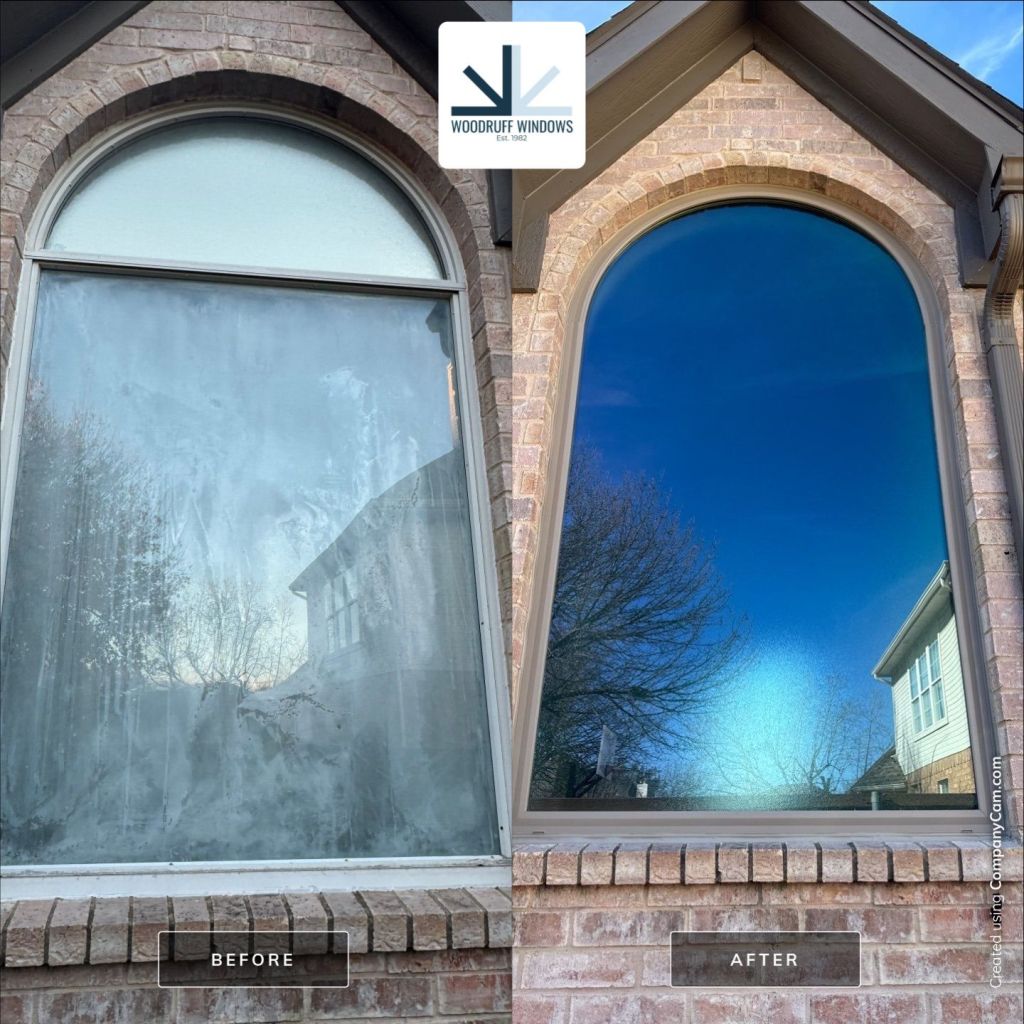
Your old aluminum windows? They were rigid metal frames basically cemented in place with ZERO accommodation for movement. Over 15+ years of our brutal Texas heat cycles, that constant expansion and contraction created stress until something gave—and always it’s the seal between the glass and frame.
Quality vinyl windows are actually engineered to handle thermal expansion. The vinyl is slightly flexible and adjusts to temperature changes. The frames use flexible gaskets and seals that move WITH the expansion, working exactly as the system was designed.
The difference is engineering. Your old windows fought against physics. Modern vinyl windows work with it.
The truth: Vinyl handles Texas weather better than most materials because it’s designed to move. The companies telling you otherwise are selling you expensive solutions to problems that don’t exist.
Lie #2: “Vinyl Looks Cheap and Fake”
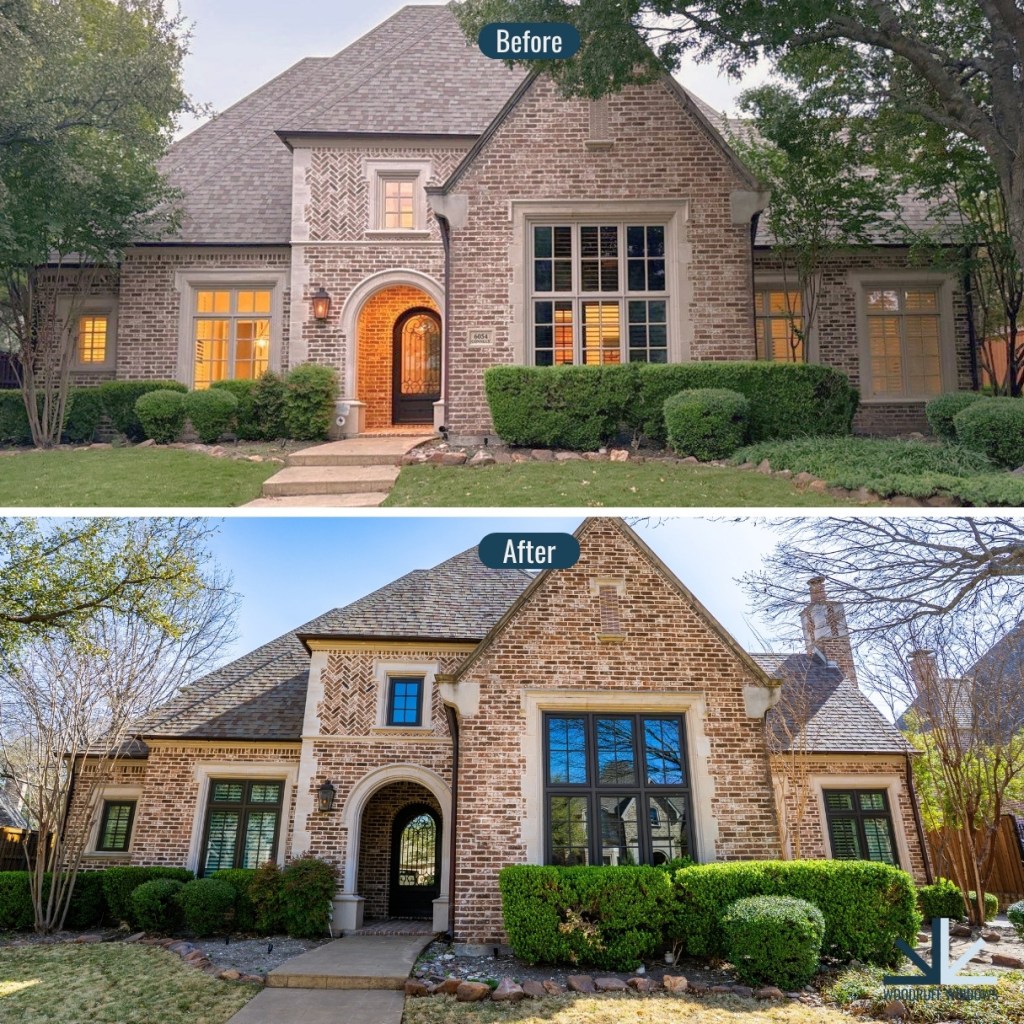
Walk through any upscale neighborhood built in the last 10 years. See those beautiful, clean-lined windows that enhance the home’s architecture?
Plot twist: most of them are vinyl.
The “vinyl looks cheap” myth comes from two sources:
- Cheap vinyl actually does look cheap. The builder-grade stuff they slap on tract houses? Yeah, that’s not great. But quality vinyl is completely different—different manufacturing, different finish, different everything.
- You’re comparing it to fresh wood windows. Of course new wood looks beautiful. But ask those same homeowners about their wood windows after 10 years of Texas sun, rain, and humidity. Warping, rotting, repainting every few years—suddenly vinyl’s consistent appearance doesn’t look so bad.
The truth: Quality vinyl maintains its appearance for decades with zero maintenance. Wood requires constant upkeep. Which one actually looks better long-term?
Lie #3: “Fiberglass/Wood/Aluminum Are Premium Materials”
Here’s where the profit motive becomes obvious.
When they convince you that vinyl is “inferior,” they can sell you their premium materials at premium prices. But here’s what those higher prices really cover:
- Massive advertising budgets
- Nationwide marketing campaigns
- Celebrity endorsements
- Layers of corporate overhead
- Higher profit margins
You’re not just buying windows—you’re paying for their Super Bowl commercials.
Meanwhile, that “premium” fiberglass window? It can’t be manufactured in the custom arched shapes that give your 1990s home its character. So they install a smaller rectangular functional window and add a separate piece on top—destroying the original architecture and doubling the cost.
The truth: Premium pricing doesn’t equal premium performance. Often, it just means premium marketing budget.
Lie #4: “Vinyl Windows Don’t Last”
“We want windows that will last 30+ years.”
Great! So do I. That’s exactly why I recommend quality vinyl.
Here’s the dirty secret about “lifetime” windows made from other materials: the frames might last, but everything else fails. Seals break down. Operating mechanisms wear out. Wood rots. Metal corrodes.
With quality vinyl, the entire system is engineered to last. No rotting, no corrosion, no repainting, no warping. The material that’s supposed to “not last” often outlasts everything else.
The truth: Vinyl’s track record speaks for itself. Homes with 20-30-year-old quality vinyl windows are still performing beautifully. That’s not theory—that’s proof.
Lie #5: “You Get What You Pay For”
This one makes my blood boil because it’s used to justify absolutely ridiculous pricing.
Yes, you get what you pay for—but what are you actually paying for?
When Company X charges $3-4,000 per window and we charge $1200-1400 for comparable performance and superb customer service and craftsmanship, you’re not paying extra for better windows. You’re paying for:
- Their 4-hour sales presentations
- Their “manager callback” theater
- Their nationwide advertising
- Their corporate overhead
The truth: Sometimes you pay more and get less. The best value comes from companies with low overhead, efficient operations, and fair pricing—not the highest marketing budget.
The Real Vinyl Advantage in Texas
Here’s what the expensive window companies won’t tell you about why vinyl actually works better in our climate:
Manufacturing Flexibility: We can make vinyl windows in any shape your home requires. Arched windows, circular windows, custom configurations—all in a single unit that maintains your home’s original character.
Thermal Performance: Quality vinyl with Low-E glass and argon fill outperforms most “premium” alternatives at a fraction of the cost.
Maintenance: Zero. Clean them once in a while. That’s it. No repainting, no re-staining, no warping repairs.
Energy Efficiency: The best vinyl windows exceed Energy Star requirements and often outperform more expensive alternatives.
Longevity: Lifetime warranties aren’t just marketing—they’re backed by decades of real-world performance, with minimal need for them in the first place.
How to Spot the Lies
When a salesperson tells you vinyl is inferior, ask these questions:
- “Can you make functional windows in custom shapes in your premium material?” (No)
- “What’s the real-world maintenance requirements?” (Usually significant)
- “Why does your premium option cost 3x more for similar performance?” (Watch them squirm)
- “Do you sell vinyl at all?” (If no, they’ve eliminated the best option before you even see it)
Red flag: Any company that doesn’t offer quality vinyl options is limiting your choices to protect their profit margins.
The Bottom Line
I’m not anti-fiberglass, fibrex, or anti-wood. There are situations where other materials make sense. But for 90% of Texas homeowners replacing 15+ year old windows, quality vinyl is the smart choice.
Don’t let someone else’s profit margin dictate your comfort and savings.
The next time someone tries to scare you away from vinyl, remember: they’re not educating you about products—they’re manipulating you toward higher profits.
What This Really Costs You
When you fall for these vinyl myths, you don’t just pay more upfront. You pay:
- 2-3x more for the windows themselves
- Ongoing maintenance costs for materials that require upkeep (wood)
- Lost comfort while you wait months longer for custom orders
- Compromised aesthetics when they can’t match your home’s architecture
- Opportunity cost of money you could have invested elsewhere
The truth saves you money. The lies cost you thousands.
Your Next Step
If you’re considering window replacement, get quotes for quality vinyl before you make any decisions. Not builder-grade vinyl—quality vinyl from a company that actually understands the difference.
You might be surprised to discover that the “inferior” option outperforms and outlasts the “premium” alternatives at half the cost.
And if a salesperson tells you not to consider vinyl? Ask yourself: who benefits from limiting your options?
Because here’s what I know for sure: the best window for your home is the one that delivers the performance you need at a price that makes sense—regardless of what it’s made from.
Don’t let marketing myths make that decision for you.
Thinking about window replacement? I’d love to help you separate fact from fiction. Drop me a line with your questions—let’s cut through the noise and find what actually works for your home.
 Lyndol Woodruff
Leave a comment